Global grain markets enter the final quarter of 2026 with a tighter balance sheet than most buyers anticipated twelve months ago. Weather disruption across key Southern Hemisphere origins, firm demand from Asian feed manufacturers, and logistics bottlenecks at major transit hubs have combined to lift basis levels across corn, wheat, and soy complexes.
Three Drivers to Watch
First, origination conditions in South America. Brazilian and Argentine harvest results will set the tone for global corn availability through the first half of next year, and any downside surprise flows directly into export pricing.
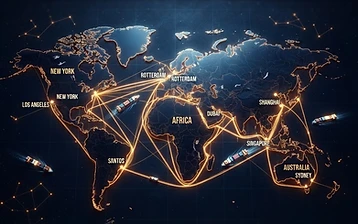
Second, freight. Dry bulk rates have been volatile all year, and the spread between Pacific and Atlantic route economics is reshaping which origins make sense for Asian and African buyers respectively.
Third, policy. Export duties, licensing regimes, and biofuel mandates continue to distort traditional trade flows — buyers who model these variables into procurement planning consistently outperform spot-driven strategies.
What It Means for Buyers
In a firm market, contract structure matters as much as price. Fixed-price forward cover makes sense when your downstream sales are also fixed; index-linked or formula-priced contracts protect margin when volatility is the dominant theme.
We recommend layering coverage: a base volume secured on fixed terms, supplemented by flexible parcels that can be timed against market movements. Our trade desk publishes weekly origination updates to help clients time these decisions.

Positioning Your Procurement
Buyers with reliable origination partners and pre-agreed quality specifications are securing both better prices and better execution. The lesson of this cycle is clear: relationships and preparation are the real hedge.