Commodity prices rarely follow a straight line; they move in rhythms dictated by the growing seasons of the northern and southern hemispheres. For an importer, buying at the wrong point in the harvest cycle is an unnecessary tax on margin. Understanding how to manage this seasonality is the difference between a reactive procurement strategy and a proactive one.
The Anatomy of Harvest Pressure
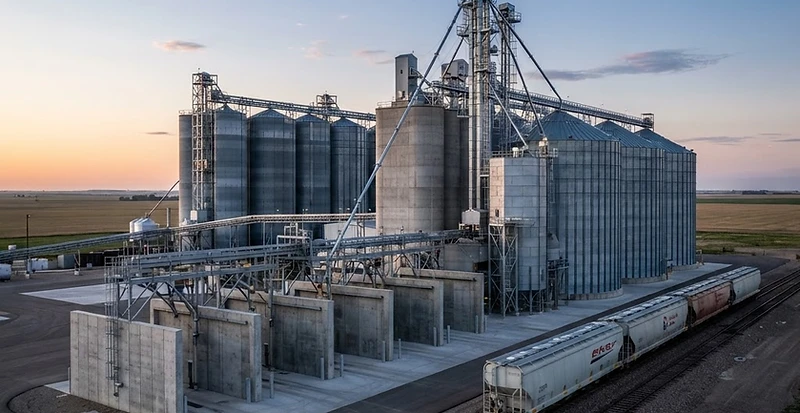
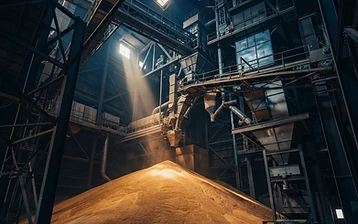
Every commodity category, whether you are sourcing grains or sugar, experiences a window of maximum supply. During a harvest, primary producers are flooded with product, infrastructure is at peak utilization, and the market often sees temporary price softening due to the logistical challenge of moving massive volumes from field to silo. This is the buyer's window, but it is also the moment of highest logistical risk.
Savvy buyers do not wait for the harvest to start before engaging. They begin supplier verification and contract negotiations months prior. If you wait until the combines are in the field, you are competing with every other buyer for limited transport and storage space.
Decoupling Procurement from Spot Pricing
Reliance on spot pricing leaves a business vulnerable to the worst excesses of seasonal volatility. To stabilize costs, firms often employ three specific mechanisms:
- Forward Contracting: Securing volume at a fixed price prior to the harvest. This shifts the price risk to the producer but requires that the buyer has reliable trade finance instruments in place, such as letters of credit, to ensure performance.
- Staggered Deliveries: Spreading your intake throughout the post-harvest months. This reduces the risk of having to pay premium warehouse or storage fees and protects your cash flow by avoiding a single massive outlay during the harvest peak.
- Multi-Origin Balancing: As discussed in our guide on multi-origin sourcing, the global nature of trade means it is harvest time somewhere. By qualifying suppliers in different geographic zones, you can arbitrage seasonal differences to maintain a consistent cost base year-round.
The Role of Storage and Logistics
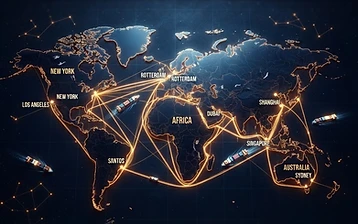
Seasonality also dictates logistics costs. When regional ports are congested by harvest-related exports, freight rates can spike, and container availability can drop. Buyers who understand their shipping modes can often optimize costs by opting for storage solutions at origin, allowing for more flexible, staggered shipping schedules that avoid the peak congestion periods.
If you are currently planning your procurement cycle for the upcoming season, it is essential to align your volume requirements with the specific harvest windows of your chosen product categories.
Next Steps for Your Procurement Strategy
Managing seasonal volatility requires granular market intelligence and reliable logistics. Whether you are looking to secure long-term supply contracts or simply need assistance navigating the next harvest cycle, our team is here to help. Contact us today to discuss your specific volume requirements and how we can help you build a more stable supply chain for the coming year.